
San Sha (Three Killings): Complete Guide, Locations & Remedies
What is San Sha?
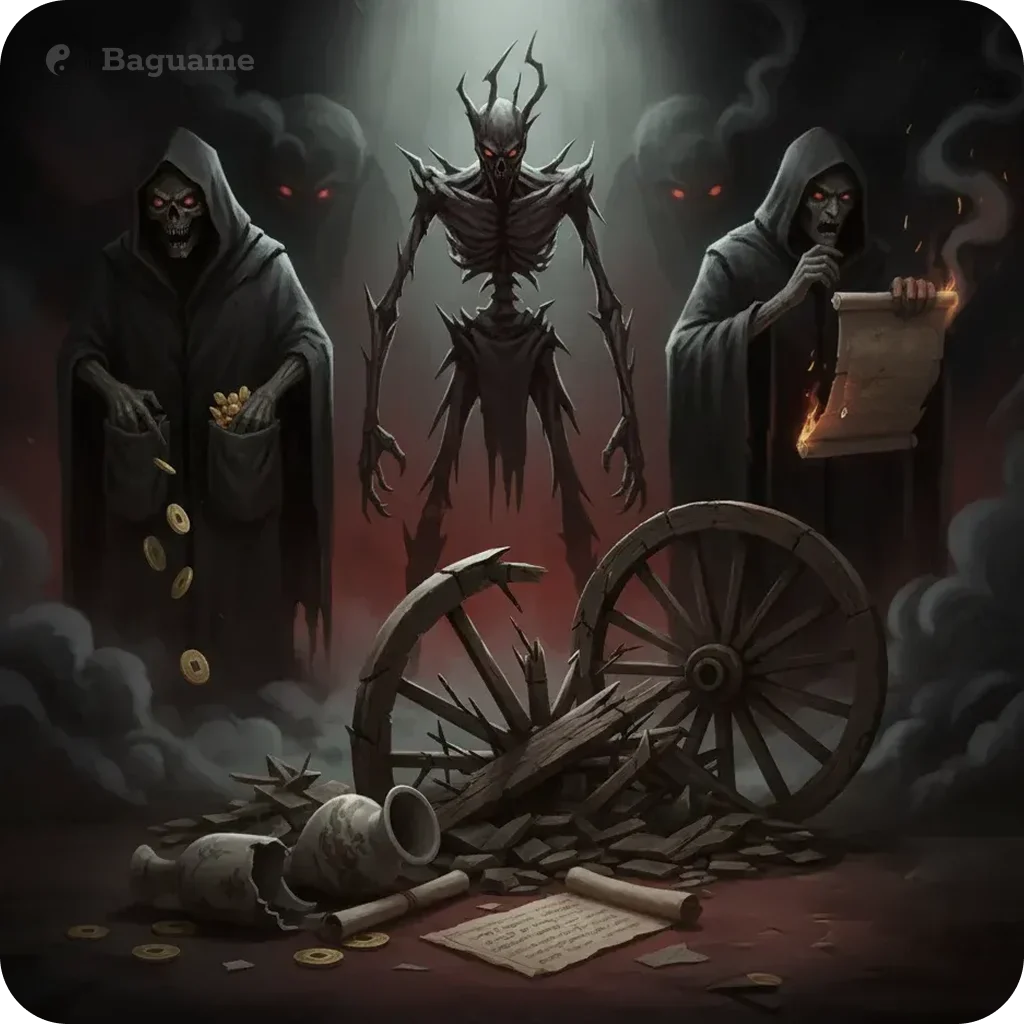
What is San Sha? In the practice of Classical Feng Shui, San Sha (三煞), commonly known as the Three Killings, is considered one of the most potent and volatile forces within the system of Annual Afflictions. Unlike favorable energies that we seek to activate, San Sha represents a convergence of three distinct types of negative energies (Sha Chi) that occupy a specific cardinal sector of your home or office each year.
The term “Three Killings” refers to the triple threat this energy poses. It is not a single point of negative energy but a combination of three specific forces: Robbery Sha, Disaster Sha, and Year Sha. Because it covers a wide area—spanning 90 degrees of the compass—it is an affliction that affects a significant portion of any property and requires careful attention.
The Nature of the Affliction
San Sha is often classified alongside the Grand Duke Jupiter (Tai Sui) and the Year Breaker (Sui Po) as one of the major “Yearly Afflictions.” However, while Tai Sui usually brings pressure and challenges when confronted, the Three Killings are associated with more immediate and tangible repercussions if disturbed.
The fundamental nature of San Sha is stillness. It is a dormant energy that causes no harm if left alone. However, if the sector occupied by San Sha is “activated”—through renovation, loud noise, digging, or vibration—the negative effects can manifest quickly. These effects typically range from financial loss and legal issues to sudden illness or accidents for the occupants.
Understanding the location of the Three Killings is the first and most critical step in annual Feng Shui planning, as avoiding this sector ensures the safety and stability of the household for the year ahead.
The Anatomy of the Three Killings
While generally treated as a single massive affliction covering a 90-degree sector, the San Sha is actually composed of three individual “Sha” (negative energies), each carrying specific risks. These three energies occupy adjacent mountains (sub-sectors) within the affected cardinal direction.
Understanding the specific nature of each can help identify what kind of problems might arise if a particular area is disturbed.
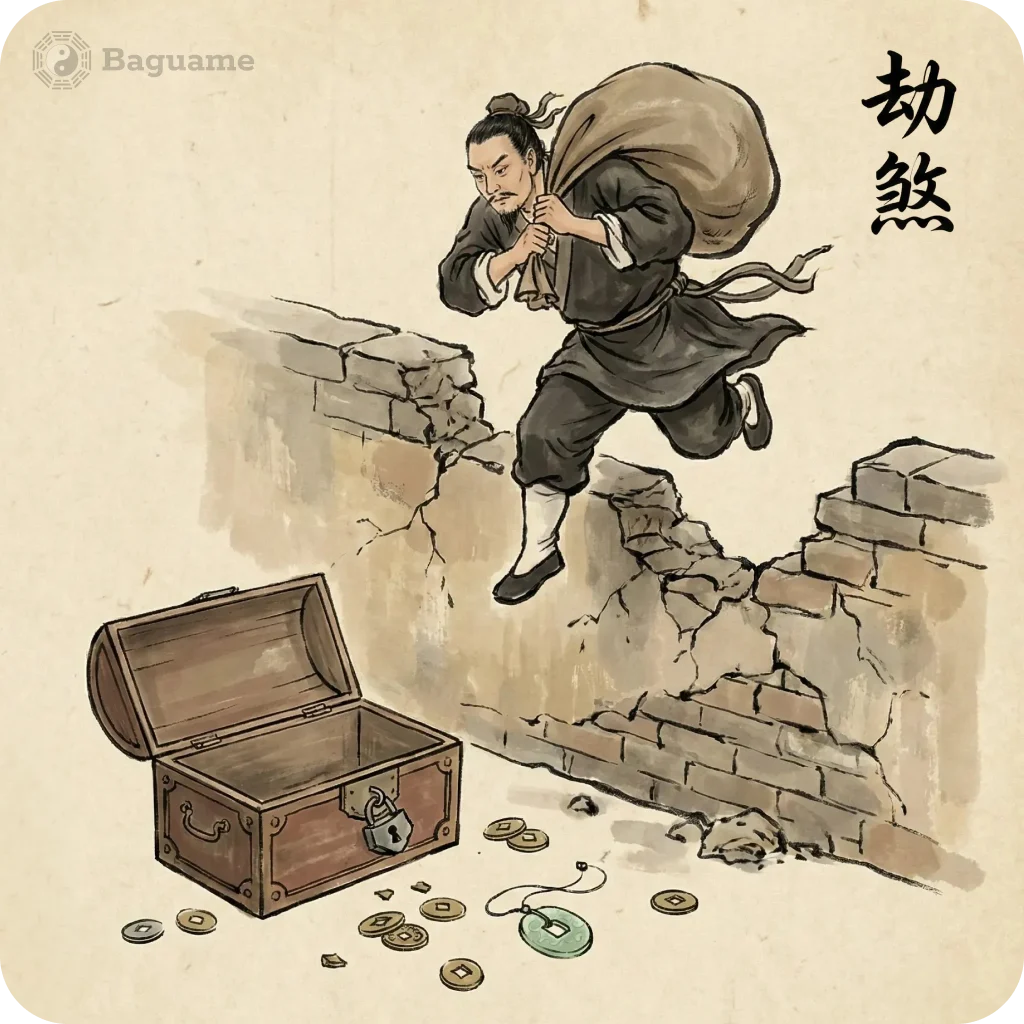
Robbery Sha
(Jie Sha – 劫煞)
-
Nature: As the name implies, this energy is associated with loss.
-
Risks: If this specific area is disturbed, it can lead to financial loss, robbery, theft, or being cheated by others. It is not limited to physical theft; it can also manifest as bad investments, loss of important documents, or intellectual property disputes.
-
Location: usually occupies the first sub-sector of the San Sha span.
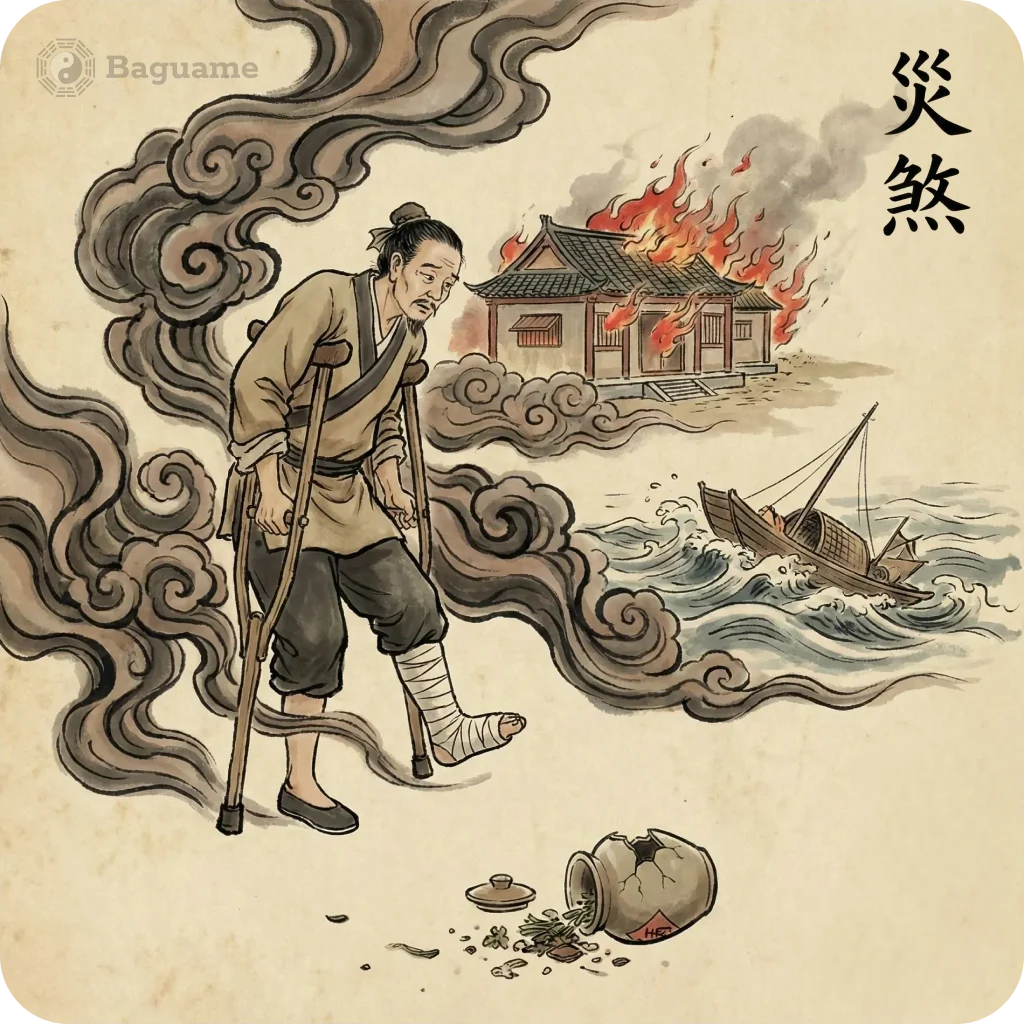
Disaster Sha
(Zai Sha – 災煞)
-
Nature: This is considered the most volatile of the three, related to “calamity.”
-
Risks: Disturbance here brings health-related issues. This can range from sudden illnesses and accidents to physical injuries or bodily harm. It often affects the most vulnerable members of the household first.
-
Location: usually occupies the central sub-sector of the San Sha span (the cardinal point itself).
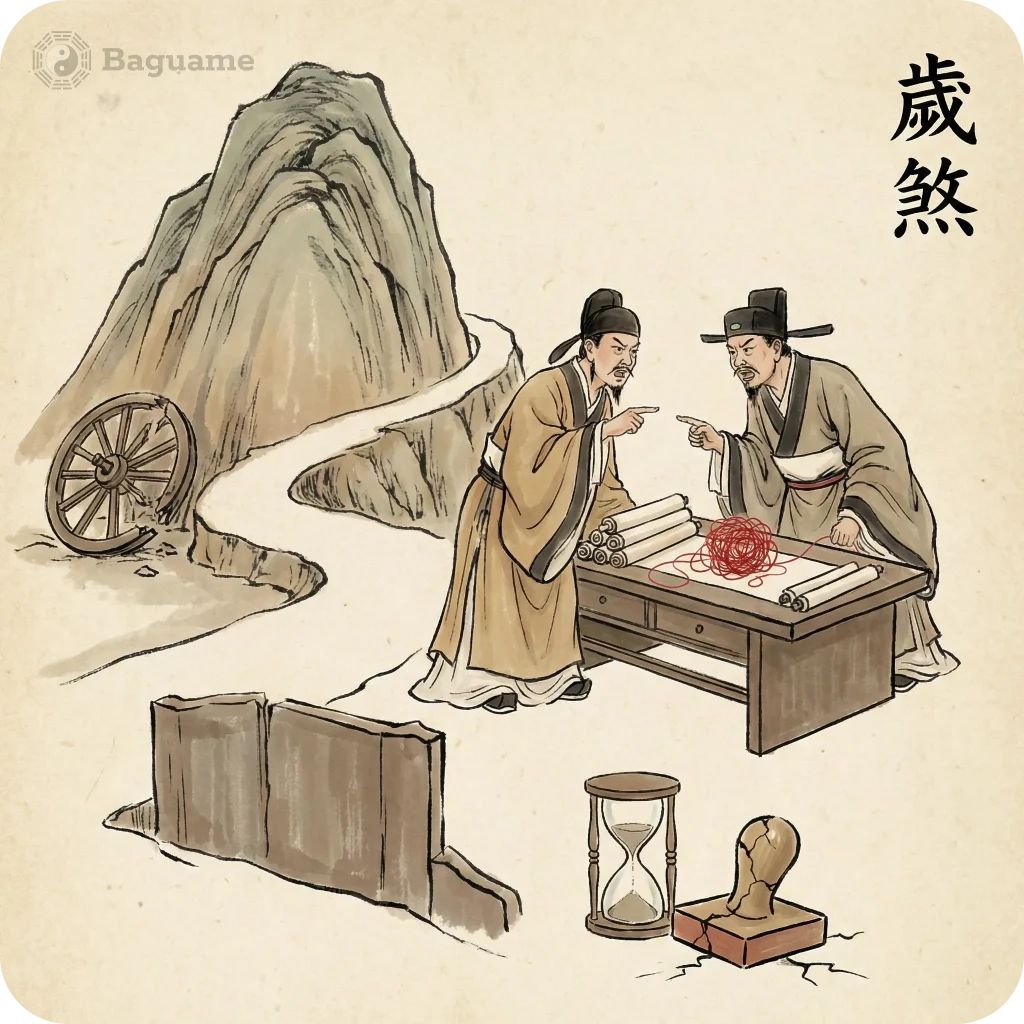
Year Sha
(Sui Sha – 歲煞)
-
Nature: This energy creates friction and stagnation.
-
Risks: Activation of the Year Sha leads to obstacles, delays in projects, and setbacks. It specifically governs interpersonal relationships, often causing betrayal by friends, insubordination from employees, or slowing down career progress due to office politics.
-
Location: usually occupies the last sub-sector of the San Sha span.
How San Sha is Determined
The location of the Three Killings changes every year. It is determined based on the Earthly Branch (Animal Sign) of the current year and the theory of the “San He” (Three Harmonies) or Elemental Trinities.
The Theory of Clashing Elements In Chinese Metaphysics, energy moves in cycles. Each year belongs to a specific elemental frame (Water, Fire, Metal, or Wood). The San Sha always occupies the cardinal direction (90 degrees) that directly clashes with the element of the year.
-
Water Years: If the year creates a Water Frame, the energy flows to the North. Water clashes with Fire. Therefore, San Sha is in the South.
-
Fire Years: If the year creates a Fire Frame, the energy flows to the South. Fire clashes with Water. Therefore, San Sha is in the North.
-
Metal Years: If the year creates a Metal Frame, the energy flows to the West. Metal clashes with Wood. Therefore, San Sha is in the East.
-
Wood Years: If the year creates a Wood Frame, the energy flows to the East. Wood clashes with Metal. Therefore, San Sha is in the West.
Reference Table: Finding the San Sha You do not need to calculate this manually; the Baguame chart calculator plots this automatically. However, for quick reference, you can use the table below based on the current year’s Animal Sign:
| Year of the Animal (Earthly Branch) | Element Frame | San Sha Location (Avoid Renovation Here) |
| Monkey, Rat, Dragon | Water | SOUTH (S1, S2, S3) |
| Tiger, Horse, Dog | Fire | NORTH (N1, N2, N3) |
| Snake, Rooster, Ox | Metal | EAST (E1, E2, E3) |
| Pig, Rabbit, Goat | Wood | WEST (W1, W2, W3) |
The Golden Rules: What NOT to do
Dealing with the Three Killings is less about “fighting” the energy and more about respecting its space. The fundamental principle is simple: Do not disturb. If left dormant, San Sha will not harm you.
Here are the three golden rules to ensure safety:
1. No Renovation (Groundbreaking) This is the most strictly enforced rule in Classical Feng Shui.
-
What to avoid: You must strictly avoid any construction work in the San Sha sector. This includes digging the ground (breaking earth), drilling into walls, demolishing structures, or even loud hammering for hanging pictures.
-
The Consequence: Breaking the ground or walls in this sector is the fastest way to “wake up” the affliction. Consequences often manifest within days or weeks, typically involving injuries, sickness, or sudden financial drain.
-
The Exception: If you must renovate your home, you can do so only if you start the work in a “safe” sector first and move towards the San Sha sector last, ensuring you select a specific Auspicious Date for starting. However, for most users, complete avoidance is the best policy.
2. The “Facing vs. Sitting” Rule There is a specific directional rule for San Sha that is often confused with other afflictions.
-
DO NOT sit with your back to San Sha.
-
If you sit with your back to the Three Killings, you are vulnerable to being “stabbed in the back.” This energy manifests as betrayal, office politics, slander, or unexpected legal issues.
-
-
DO face San Sha.
-
Unlike the Grand Duke Jupiter (Tai Sui), whom you should never face, it is perfectly safe to face the Three Killings. When you face the affliction, you are keeping an eye on the “enemy,” preventing surprise attacks.
-
-
Example: If San Sha is in the South, do not sit facing North (because your back would be to the South). Instead, sit facing South.
3. Minimize Activity and Noise San Sha is irritated by movement and sound.
-
Quiet Zone: Try to keep this sector of your home or office as quiet as possible. Avoid placing TV sets, sound systems, or loud machinery here.
-
Entryways: If your main door is located in the San Sha sector, the constant opening and closing of the door activates the energy. While you cannot seal your front door, you can mitigate the effect by opening and closing it gently and placing metal cures (see the next section).
Remedies and Protection
If you cannot completely avoid the San Sha sector (for example, if your front door or bedroom is located there), you must apply cures to suppress the negative energy.
1. The Primary Remedy: Stillness Before buying any objects, remember that the most powerful cure is inactivity.
-
If the San Sha is in a bedroom, sleep in a different room if possible. If not, avoid moving the bed or making loud noises.
-
If it is at the main door, oil the hinges to prevent squeaking and avoid slamming the door.
2. The “Three Celestial Guardians” (Symbolic Cure) In traditional Feng Shui, specific mythical creatures are used to combat the Three Killings. These are known as the Three Celestial Guardians. You can place statues of these animals in the affected sector, facing towards the San Sha direction.
-
The Chi Lin (Qi Lin): Used to counter the Year Sha. It protects career, relationships, and prevents betrayal.
-
The Fu Dog: Used to counter the Robbery Sha. It protects against theft, loss of wealth, and legal issues.
-
The Pi Yao: Used to counter the Disaster Sha. It appeases the energy to prevent accidents and health issues.
Note: You can find statues that combine these three, or place them individually. They must be placed opposite the affliction (e.g., if San Sha is in the North, place the guardians in the South facing North) or directly in the sector looking outward. However, the most common practice is placing them in the affected sector facing the direction of the Sha.
3. Elemental Cures From a Classical (Five Elements) perspective, you can use elemental energy to weaken the Sha.
-
Metal Element: The sound of metal (like a windchime) is usually avoided in Sha sectors, but heavy metal objects are excellent for suppressing negative energy. A heavy metal wu lou, a bronze vase, or gym weights can be placed in the corner of the San Sha sector to “weigh down” and control the energy.
-
Water Element: Yin Water (still, non-moving water) can also be used to absorb negative energy. A simple jar of water (undisturbed) can help calm the sector.
Summary of Placement: Regardless of the cure you choose, ensure it is placed respectfully and that the area remains clutter-free. A dirty or cluttered San Sha sector exacerbates the negative effects.
What to do if you accidentally disturbed San Sha
Mistakes happen. Perhaps you forgot to check the chart before hanging a shelf, or a neighbor started heavy construction next to your San Sha sector. If the ground has been broken or the wall drilled, and you are starting to notice negative effects (sickness, arguments, loss of money), follow these emergency steps immediately.
1. STOP All Work Immediately If the renovation is still ongoing, halt it instantly. Do not try to “finish it quickly.” Continuing to disturb the sector will only compound the disaster. Leave the area as is, even if it looks unfinished, until a safe date can be selected to resume.
2. Leave the Sector If the disturbance is severe (e.g., knocking down a wall):
-
Vacate the room: If possible, stop using that specific room for at least 2 weeks.
-
Shift sleeping arrangements: If the disturbance was in the bedroom, sleep in another room or on the sofa in a safe sector for a few days. This removes your personal energy field from the direct line of fire.
3. Apply Strong Cures The standard cures might need a boost.
-
Salt Water Cure: Place a traditional “Salt Water Cure” (a jar with salt, water, and 6 coins) in the disturbed area. This is a powerful absorber of negative Qi.
-
Heavy Metal: Add significantly more metal to the area. A 6-rod metal windchime (kept silent, just for the metal presence) or heavy dumbbells can help suppress the Earth-based negativity often triggered by disturbances.
4. Use Date Selection (Ze Ri) to “Heal” the Space This is the advanced professional solution.
-
You can neutralize the effects by finding a specific date known as the “Sun Arrives” or “Moon Arrives” date for that specific sector.
-
These are powerful auspicious dates that have the ability to override the negative effects of the San Sha. Using a calculator to find a “Safe Day” to quietly tidy up the mess or place a cure can stop the bad luck chain.
5. Perform a Space Clearing Once the activity has stopped, perform a space clearing ritual (using incense, singing bowls, or clapping) in the rest of the house to lift the stagnant energy. Do not do this vigorously inside the San Sha sector itself; focus on strengthening the Qi in the safe areas of your home.
Summary Table for the Current & Upcoming Years
To help you plan your renovations and furniture placement effectively, consult the table below. Remember that in Classical Feng Shui, the energy of the year shifts on the Solar New Year (typically February 4th), not January 1st.
Quick Reference Guide
| Year | Animal Sign | San Sha Location (Do Not Disturb) | Degrees Covered |
| 2025 | Snake (Yi Si) | EAST | 52.5° – 127.5° |
| 2026 | Horse (Bing Wu) | NORTH | 337.5° – 22.5° |
| 2027 | Goat (Ding Wei) | WEST | 247.5° – 292.5° |
Final Advice
The Three Killings is a powerful energy, but it is not malicious unless provoked. Treat the affected sector with respect, keep it quiet, and ensure you do not sit with your back to it. By following these simple guidelines, you can navigate the year smoothly without triggering “bad luck.”
For a precise overlay of the San Sha sector on your specific floor plan, please use the Annual Afflictions Calculator available in your dashboard.
Frequently Asked Questions
San Sha occupies one cardinal sector (about 90 degrees) each year, opposite the year’s Tai Sui direction. To place it on your floor plan you need your home’s compass orientation; then draw the affected directional wedge over the plan. The Annual Afflictions calculator overlays the San Sha sector for the current year directly on your layout so you can see which room it covers.
In 2026 (the year of the Horse, Bing Wu), San Sha sits in the North sector, spanning roughly 337.5°–22.5°. Always double-check the current year’s position against your specific floor plan, since the exact rooms affected depend on your home’s facing and layout.
Avoid heavy disruption: no digging, major renovations, or knocking down walls in the affected sector. Do not sit with your back directly to the San Sha direction for long periods, and keep the area quiet and undisturbed. San Sha is powerful but not malicious unless provoked — treating it with respect prevents it from being triggered.
If you accidentally disturbed the San Sha sector, stop working on it and keep it quiet; applying appropriate remedies helps calm the trigger. Where possible, schedule any unavoidable future work on a Safe Date (Ze Ri) rather than continuing at random times. For routine matters, simply leaving the sector undisturbed is the most effective correction.
San Sha (Three Killings) is a 90-degree sector made of three negative energies — Robbery Sha, Disaster Sha and Year Sha — and should generally be left undisturbed. Tai Sui (Grand Duke) is a single direction (one of the 24 Mountains) that is respected rather than provoked. San Sha sits opposite Tai Sui each year, so the two occupy different, complementary positions.
Yes. San Sha rotates annually along with the other annual afflictions, moving to a different cardinal sector each solar year (East in 2025, North in 2026, West in 2027). Because of this, you must re-locate it every year rather than treating it as a fixed part of your home.