
How to Determine Your Home’s Natal Chart Parameters
To generate an accurate Flying Star Natal Chart for your home, two pieces of information are absolutely critical: the Building's Construction Period and its precise Facing Direction. These two parameters lock in the foundational energy map of the property from the moment it was built.
This guide will walk you through how to determine both of these key inputs.
Part 1: The Building's Construction Period
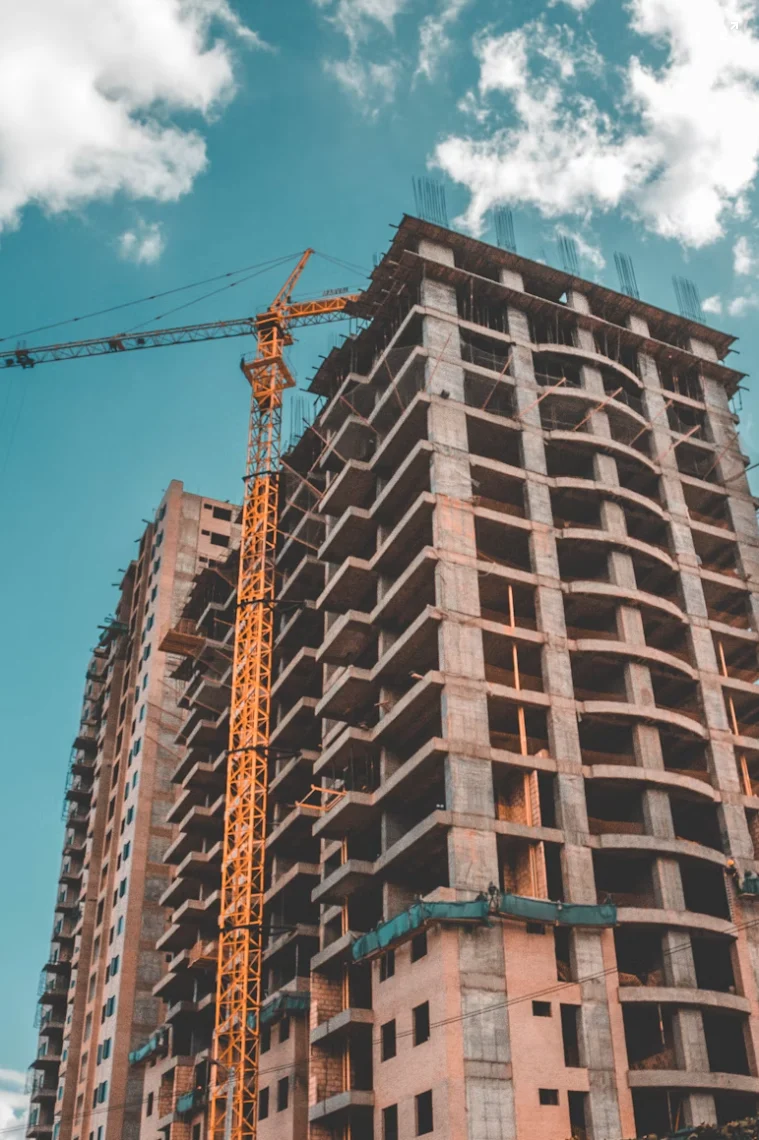
In Feng Shui, time is divided into 20-year cycles known as "Periods." The period during which a building's construction is completed determines its fundamental character and energy. It's essential to select the correct period for your home. Why is the construction year important? The year the roof is placed on a new building and it becomes sealed from the elements is the year its energy chart is "born" and locked in. Please select the time range from the list below that corresponds to the year your building's construction was completed.
- Period 1: 1864 - 1883
- Period 2: 1884 - 1903
- Period 3: 1904 - 1923
- Period 4: 1924 - 1943
- Period 5: 1944 - 1963
- Period 6: 1964 - 1983
- Period 7: 1984 - 2003
- Period 8: 2004 - 2023
- Period 9: 2024 - 2043
If you don't know the exact year, use your best estimate or check official property records.
Part 2: The Facing Direction
Determining the correct facing direction of your property is the most critical first step for an accurate Flying Star Natal Chart calculation. The facing direction is the primary orientation from which your home absorbs the most active environmental Qi (energy). An incorrect facing measurement will lead to a completely inaccurate chart, so it's essential to get it right. This guide will walk you through the principles to identify the facing of any type of home.
The Core Principle: Finding the "Yang" Side
In Feng Shui, the facing of a building is considered its most Yang (active) side. Yang energy is associated with activity, light, movement, and openness. Conversely, the "sitting" direction is the opposite, more Yin (quiet, solid, supportive) side. To find the Yang side, look for these key features:
- The Main Entrance: The formal front door is the primary "Mouth of Qi," where energy enters the home.
- Activity and Movement: The side that faces the busiest street, a park, or has the most human activity.
- Open Space (Ming Tang): The side that looks out onto the most open area, like a front yard, a garden, a lake, or a city square. This space allows Qi to collect before entering.
- Architectural Design: The facade or the "face" of the building, the side with the most windows, balconies, or decorative features.
Step-by-Step Guide for Different Home Types
1. For a Standalone House
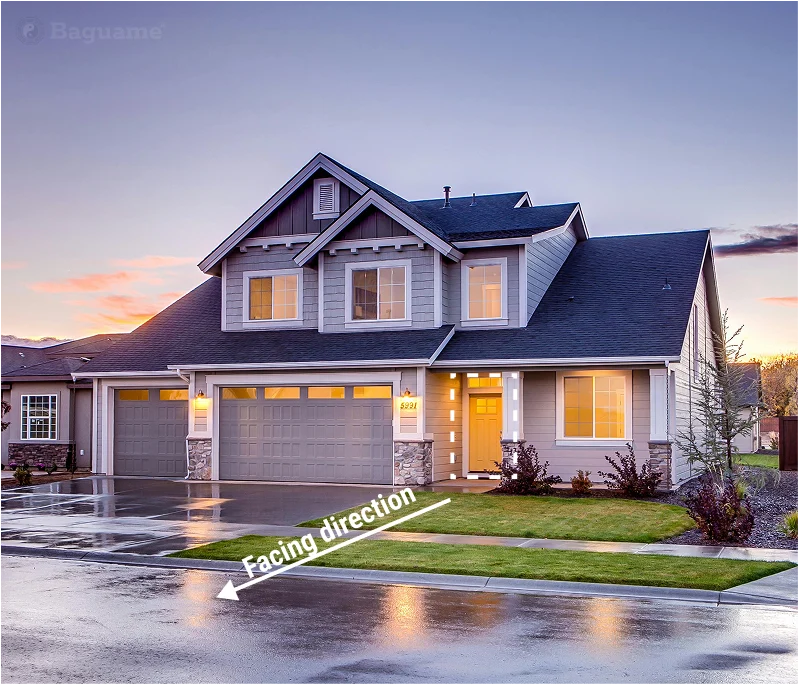
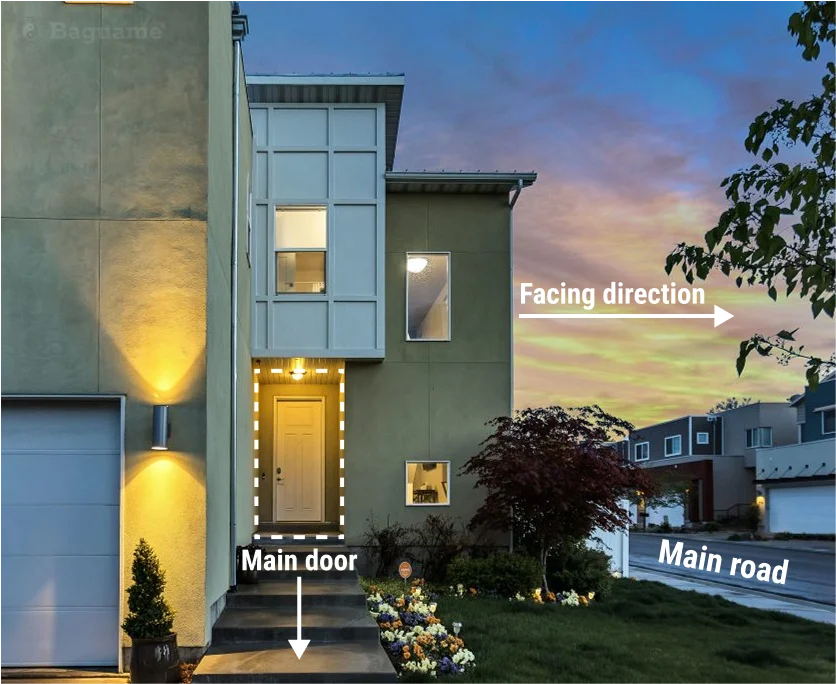
For most single-family homes, townhouses, or detached houses, the process is straightforward.
- Identify the Main Door: Locate the formal front door that was intended by the architect to be the main entrance. This is not the garage door or a side door, even if you use them more frequently.
- Assess the Street: Observe the road your house faces. The main door and the primary road it faces are almost always on the same side.
- Confirm with Open Space: Stand at your front door looking out. Is there an open yard or space for energy to gather?
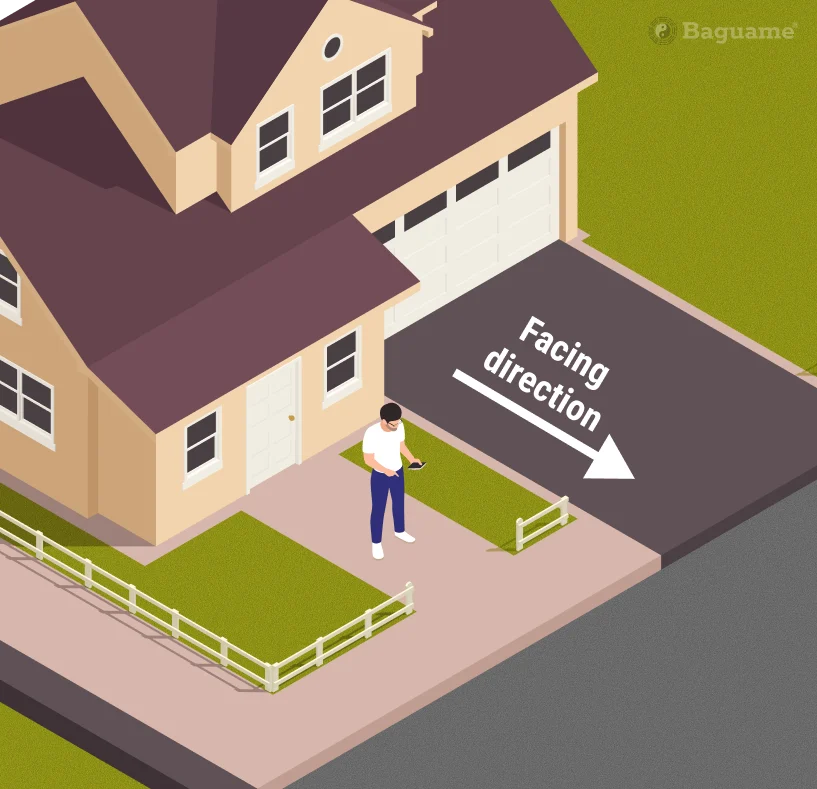
Conclusion: For a house, the facing direction is the side that contains the main front door. To take a measurement, stand outside, a few steps away from the door, and face away from the house. The direction your compass points to is the facing direction.
2. For an Apartment in a Multi-Story Building
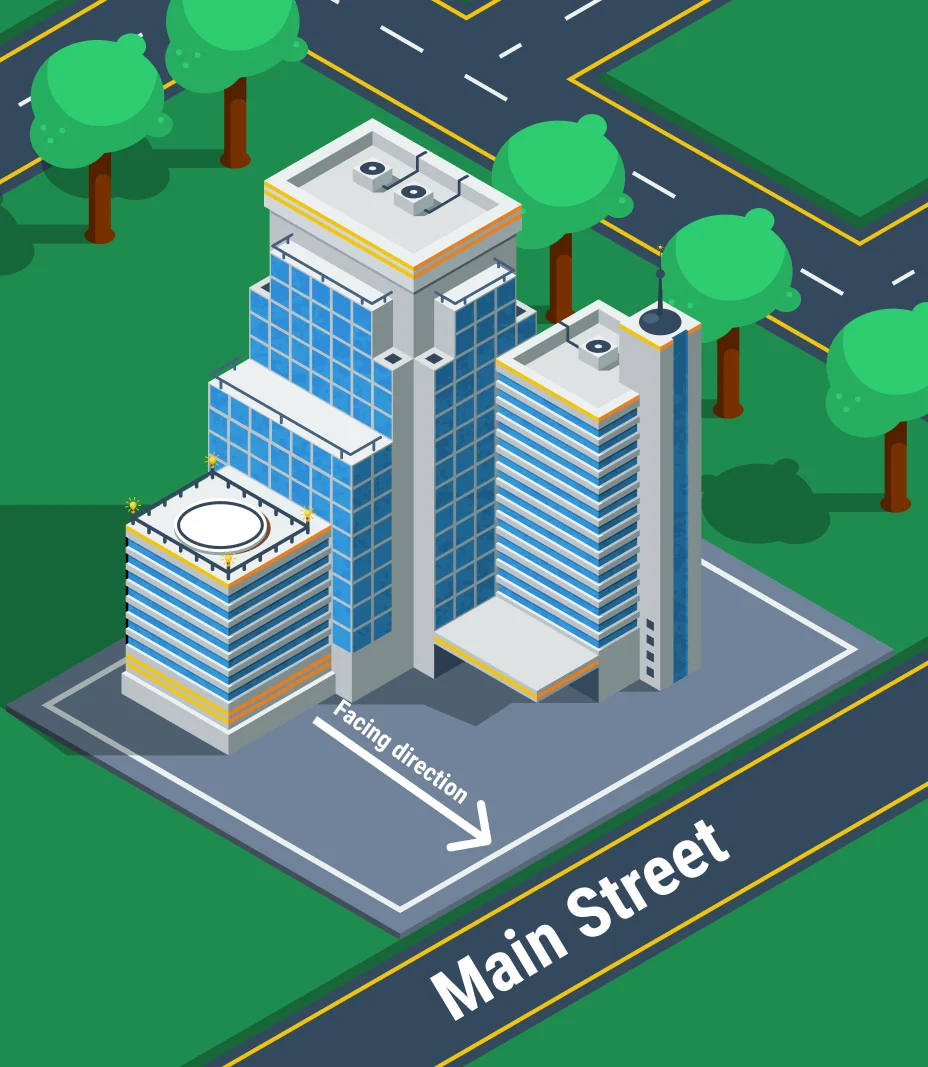
This is where it can be tricky, and there are two primary methods used by Feng Shui practitioners.
Method 1: The Facing of the Entire Building (Most Common)
This is the classical and most widely accepted method. The entire building is seen as a single structure that collects Qi through one main "mouth."
- Find the Main Lobby Entrance: Go to the ground floor and locate the main entrance to the entire building—the one used by all residents and guests.
- Determine its Direction: The direction this main building entrance faces is considered the facing direction for every apartment inside, regardless of where your individual unit's front door or windows face.
Why this method? The building's main entrance is where the most significant amount of Qi from the external environment enters the structure before being distributed throughout.
Method 2: The Facing of the Individual Unit (The Balcony/Window Method)
Some modern practitioners argue that for high-rise apartments, the unit's most significant connection to the outside world becomes more important than the main lobby door far below.
- Identify the Most Yang Side of Your Unit: Look for the side of your apartment that has the largest windows, the main balcony, or the most commanding view.
- This is Your Facing Direction: This side is where your specific unit receives the most light and active energy from the outside.
Which Method Should You Use?
For the most reliable results, always start with Method 1 (The Facing of the Entire Building). This is the foundational method for Natal Chart calculations. You can consider Method 2 as a secondary influence, especially if your apartment has a spectacular, unobstructed view (like an ocean or city park) that is on a different side from the main building entrance. However, for the purpose of calculating the Natal Chart on our platform, please use the direction of the main building entrance.
Part 3: How to Measure the Facing Direction (Degrees)
Once you have identified the correct facing side of your building, you need to get a precise compass reading in degrees. You can use the compass app on your smartphone.
Follow these simple steps:
- Go Outside: Stand about 5-10 feet (2-3 meters) in front of the main entrance door or the center of the facing wall. Make sure you are not near large metal objects, cars, or power lines, as they can interfere with the compass reading.
- Position Yourself: Turn your back to the front door so that you are looking straight away from the house, in the exact same direction the house "faces". Your back should be parallel to the front wall.
- Use Your Compass App:
- Open the compass application on your phone.
- Hold the phone flat in your hands, level with your waist or chest. Ensure the top of the phone is pointing straight ahead, away from the building.
- Wait for the reading to stabilize.
- Read the Degrees: The compass will show a number in degrees (from 0° to 360°). This number is your building's precise facing direction.
- Enter the Value: Input this number into the "Building Facing Direction (Degrees)" field.
By carefully determining the construction period and measuring the facing direction, you will provide the essential data needed to generate a precise and insightful energy map for your home.
Common Challenges and Special Cases
- Corner Houses: If your house is on a corner with two active streets, the facing is determined by the side with the formal main entrance.
- Houses on a Slope: The facing is typically the lower side of the slope, where energy and traffic tend to flow.
- Irregularly Shaped Buildings: Do not take a reading from a recessed or angled doorway. Stand back from the building and align your compass with the main, flat plane of the wall where the entrance is located.
- My front door faces a quiet lane, but the back of my house faces a busy road. This is a complex case. Traditionally, the front door takes precedence. However, if the road at the back is a major source of activity (a highway or main street), it can sometimes shift the energy dynamics. For standard calculations, always default to the side with the main door.
By carefully applying these principles, you can confidently determine your home's facing direction and lay the foundation for an accurate and insightful Feng Shui analysis.
Frequently Asked Questions
What two inputs do I need for a Flying Star natal chart?
Two critical pieces of data: the building's Construction Period and its precise Facing Direction. These lock in the foundational energy map of the property from the moment it was built, and without both correct the whole Flying Stars analysis is unreliable.
How do I determine my home's construction period?
Feng Shui divides time into 20-year cycles called Periods. The Period is set by the year construction was completed (for example, the current Period 9 runs 2024–2043). Find the year your building was finished, then match it to its Period — this defines the natal chart's fundamental character and base star arrangement.
How do I find the facing direction of my home?
The facing is the side of the property that collects the main Qi — classically the side with the main door or the direction the building "fronts." Measure it with a compass held away from metal and electronics. For a standalone house, use the side with the main entrance; for a property facing a major source of activity (a highway or main street), that energetic front can shift the reading.
How do I measure the facing direction in degrees?
Stand outside, away from metal and interference, hold the compass level and still, and read the degree that the facing side points to (for example, 150° for a southeast-facer). Take several readings from different spots and use the average to avoid a stray magnetic reading, then map it onto the 24 Mountains.
For an apartment in a multi-story building, which facing do I use?
The most common classical method is to treat the entire building as one structure that collects Qi through one main "mouth": go to the ground floor and find the main lobby entrance used by all residents and guests, and use that building's facing and construction date for the natal chart. There is a second method based on the apartment's own door, which some practitioners prefer, but the building-facing method is the widely accepted default.


