Do you ever walk into a room and just feel… off? Perhaps it’s a sense of unease, a lack of productivity, or simply a space that doesn’t quite feel like home. This isn’t just about aesthetics; it’s often a reflection of the energy, or ‘Chi,’ within your environment. Understanding and applying feng shui for room principles can transform these stagnant spaces into vibrant, supportive areas that enhance your well-being and success.
Many people associate feng shui with complex rituals or mystical beliefs, but at its heart, it’s a practical art of arrangement. It’s about optimizing your surroundings to encourage positive energy flow, creating harmony, and supporting your life goals. This comprehensive guide will equip you with actionable strategies to apply effective room feng shui, helping you cultivate balance and vitality in every corner of your home or office.
We’ll delve into fundamental principles, explore how to master energy flow, and provide specific guidance for feng shui by room, from your bedroom to your home office. Get ready to transform your living and working spaces into havens of positive energy and purpose.
Before diving into specific arrangements, it’s crucial to grasp the core concepts that underpin all feng shui practices. These principles – Chi, Yin and Yang, and the Five Elements – are not abstract ideas but practical lenses through which to view and optimize your environment. Applying these basics is the foundation for effective room feng shui.
Chi is the invisible life force or energy that animates everything around us. In feng shui, the goal is to ensure Chi flows smoothly and gently throughout your spaces, bringing vitality and positive opportunities. Stagnant or blocked Chi can lead to feelings of lethargy, frustration, or a lack of progress.
Therefore, consider your room’s pathways. Are they clear, allowing energy to meander gracefully, or are they obstructed by clutter, forcing Chi to crash or become trapped? Furthermore, sharp corners or long, straight hallways can create ‘Sha Chi’ or ‘cutting Chi,’ which is too aggressive. Softening these areas with plants or curves helps to mitigate their harshness.
Yin and Yang represent the complementary opposing forces in the universe. Yin is passive, dark, soft, cool, and quiet, while Yang is active, light, hard, warm, and noisy. A balanced environment incorporates both, creating a dynamic yet harmonious space. For instance, a room that is too ‘Yang’ might feel overly stimulating or restless, while one that is too ‘Yin’ could feel dull or depressing.
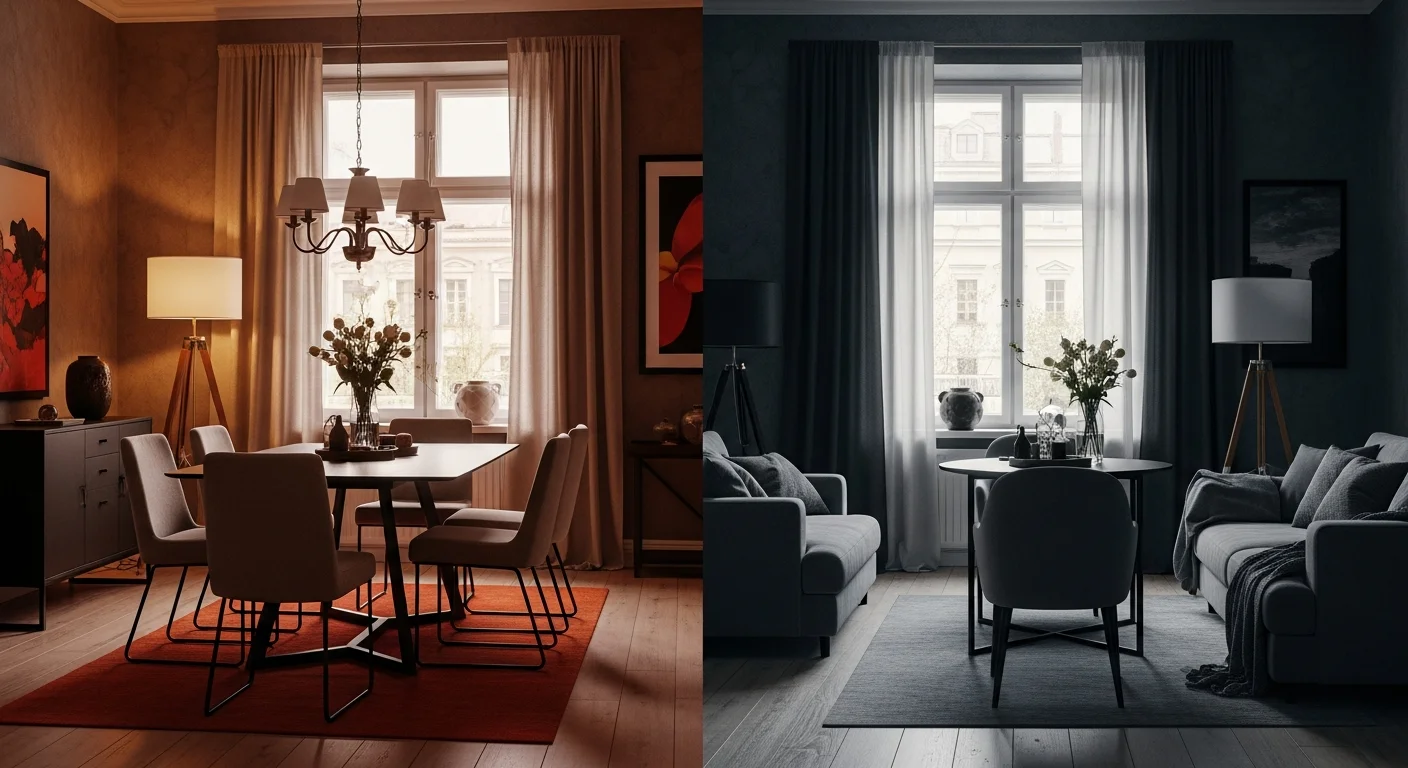
To achieve balance, assess your room’s existing energies. If a space is very bright with hard surfaces and vibrant colors, introduce some Yin elements like soft textiles, darker tones, or calming artwork. Conversely, a dim room with heavy furniture can benefit from more Yang elements such as brighter lighting, reflective surfaces, or lively patterns. Ultimately, the ideal balance depends on the room’s function.
The Five Elements – Wood, Fire, Earth, Metal, and Water – are fundamental building blocks of the universe, each associated with specific colors, shapes, materials, and qualities. Understanding how they interact and manifest in your environment allows you to consciously introduce elements to support specific energies and intentions. For example, Wood relates to growth, Fire to passion, Earth to stability, Metal to precision, and Water to flow and wisdom.
These elements work in both a creative cycle (Wood feeds Fire, Fire creates Earth, Earth bears Metal, Metal holds Water, Water nourishes Wood) and a control cycle (Wood controls Earth, Earth controls Water, Water controls Fire, Fire controls Metal, Metal controls Wood). By strategically incorporating these elements through decor, colors, and materials, you can address imbalances and enhance the desired energy in any room.
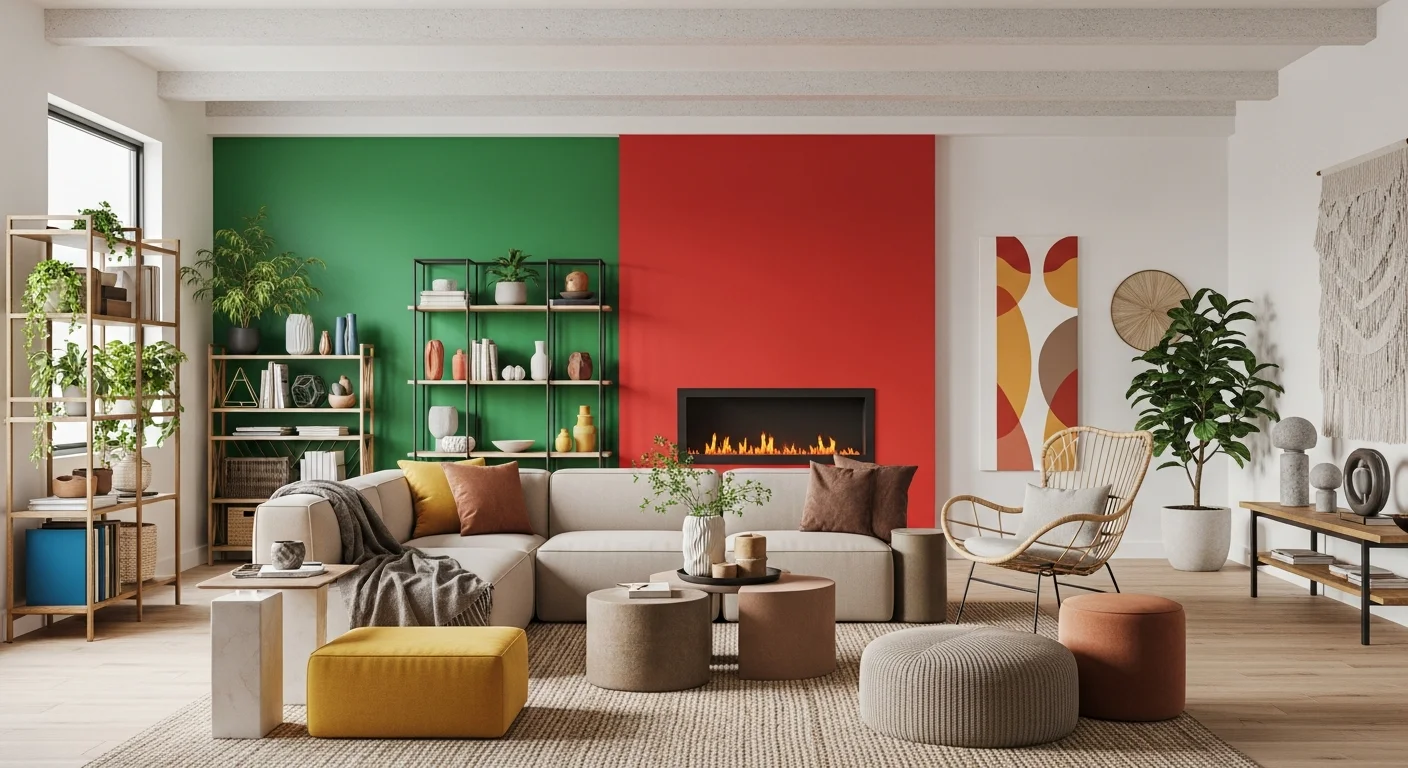
A well-designed room, according to feng shui principles, is one where Chi flows freely and gently, bringing vitality and prosperity. This isn’t about grand renovations but rather mindful adjustments to your existing space. Ensuring smooth Chi flow is a cornerstone of effective feng shui for room applications.
Clutter is the ultimate enemy of good Chi. It blocks energy flow, creates stagnation, and can lead to feelings of overwhelm and being stuck. Therefore, the very first and most impactful step in any room feng shui endeavor is to declutter ruthlessly. Go through every item and ask yourself if it serves a purpose, brings you joy, or is genuinely beautiful.
Remove anything that is broken, unused, or unwanted. Organize what remains, ensuring everything has a designated place. Furthermore, address hidden clutter in drawers, closets, and under beds, as even unseen clutter can subtly impact the room’s energy. A clear space allows Chi to circulate freely, making room for new opportunities and positive experiences.
Just as blood needs to flow freely through your body, Chi needs clear pathways in your home. Ensure that walkways are unobstructed by furniture, rugs, or decorative items. Avoid placing large pieces of furniture directly in front of doors or windows, as this can block the entry or exit of Chi. Instead, arrange furniture to invite smooth movement throughout the room.
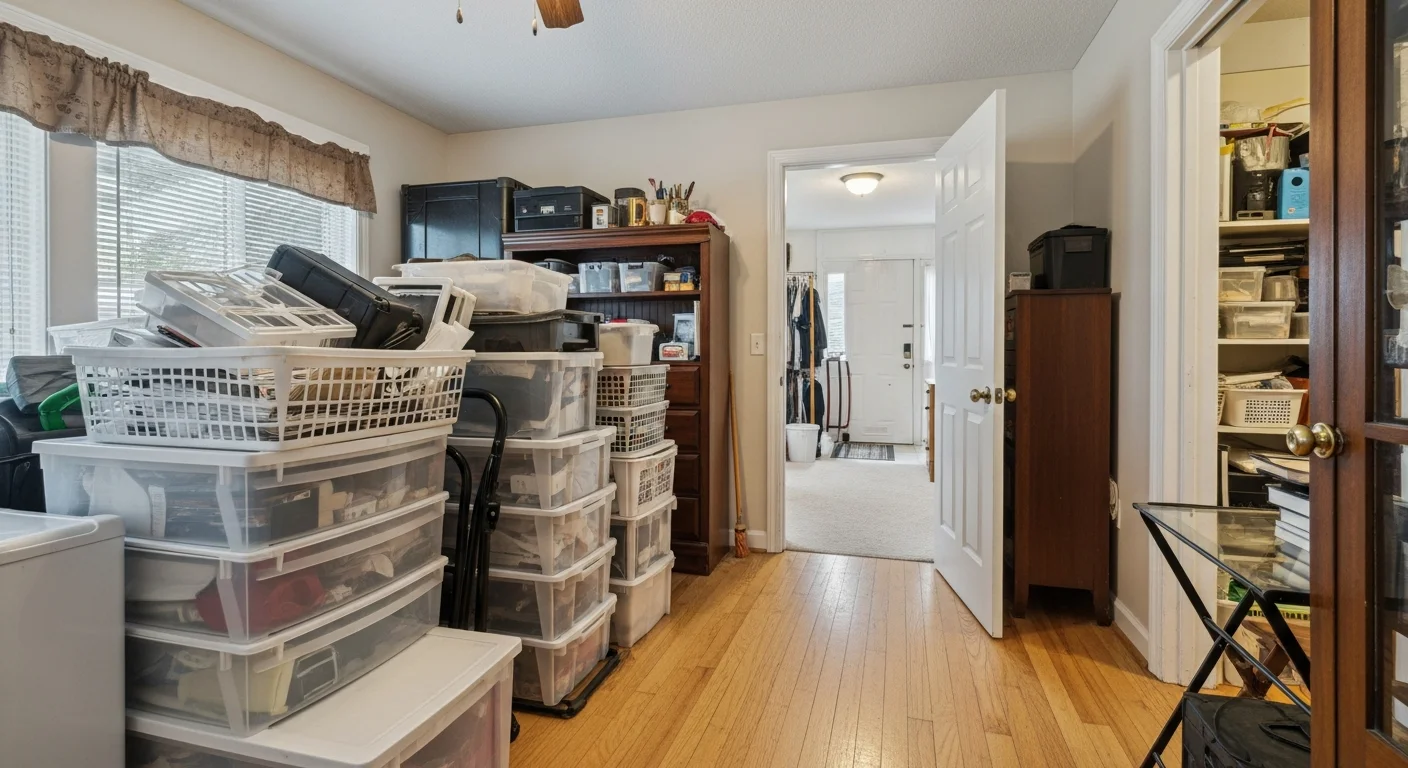
Consider the ‘commanding position’ for key furniture items like beds and desks. This means placing them where you can see the door without being directly in line with it, providing a sense of security and control. This strategic placement ensures you are positioned to receive and command positive Chi rather than being surprised or overwhelmed by it.
Good lighting is essential for vibrant Chi. Natural light is ideal, so keep windows clean and unblocked. Supplement with various layers of artificial lighting – ambient, task, and accent – to create a well-lit and welcoming atmosphere. Avoid harsh overhead lighting as the sole source; instead, use lamps to create softer, more inviting pools of light.
Similarly, fresh, clean air is vital for healthy Chi. Open windows regularly to ventilate your rooms and bring in fresh air. Consider air-purifying plants, an air purifier, or diffusing essential oils to enhance air quality. Stale air can lead to stagnant Chi, impacting health and mood.
Mirrors are powerful feng shui tools as they can amplify light, expand space, and enhance Chi. Place mirrors strategically to reflect beautiful views, double a positive element, or bring more light into a dark corner. However, avoid placing mirrors directly opposite doors or beds, as this can create too much energetic activity or disrupt sleep. Similarly, choose artwork that inspires and uplifts you. Images of calm landscapes, thriving plants, or joyful scenes are excellent for enhancing positive Chi. Avoid art depicting violence, sadness, or isolation, as these can subtly depress the energy of a room.
The Bagua map is a fundamental feng shui tool that divides any space into nine areas, each corresponding to a specific life aspect and an elemental energy. By overlaying the Bagua onto your home or individual rooms, you can identify which areas relate to wealth, relationships, health, career, and more. This provides a clear framework for applying targeted room feng shui enhancements.
To use the Bagua map, stand at the main entrance of the room you’re analyzing. Imagine a 3×3 grid overlaid onto the room’s floor plan. The bottom row of the grid, closest to the entrance, will always contain the Knowledge, Career, and Helpful People areas. From there, you can identify the remaining sections: Wealth (top left), Fame (top middle), Relationships (top right), Family (middle left), Health (center), and Creativity/Children (middle right).
Once you’ve mapped out the Bagua, you can identify which life areas are present, missing, or need enhancement within that specific room. For instance, if your room is missing the ‘Wealth’ corner, you might focus on enhancing the wealth area of your entire home or another room. This systematic approach makes applying feng shui by room incredibly precise and effective.
Integrating the Five Elements (Wood, Fire, Earth, Metal, Water) into your decor is a powerful way to create harmony and address specific energetic needs in any space. Each element has associated colors, shapes, and materials that you can use to intentionally bring balance and activate desired energies. This is a practical aspect of room feng shui that can be applied immediately.
To identify missing or excessive elements, simply observe your room. Does it feel too cold and stark (excess Metal)? Introduce some Wood or Fire. Is it overly vibrant and restless (excess Fire)? Add Earth or Water to ground it. The key is to create a visual and energetic balance that feels right to you.
While general principles apply to all spaces, each room has a unique function, requiring specific feng shui by room considerations. Tailoring your approach ensures that each area optimally supports its intended purpose, enhancing comfort, productivity, and rest.
Your bedroom is your sanctuary for rest, intimacy, and rejuvenation. Therefore, its energy should be calm, supportive, and conducive to deep sleep. The most critical aspect is bed placement: position your bed in the ‘commanding position,’ where you can see the door without being directly in line with it. This provides a sense of security and control. Ensure the headboard is against a solid wall, not under a window, for stability.

Keep electronics to a minimum, and if present, turn them off at night. Choose soft, calming colors like blues, greens, or earthy tones for walls and bedding. Avoid clutter, especially under the bed, as it can symbolically weigh you down. Furthermore, mirrors should not directly face the bed, as they can create restless energy. If you must have a mirror, ensure it doesn’t reflect you while you’re in bed.
The living room is typically the heart of social interaction and relaxation. Arrange seating to encourage conversation and inclusivity, perhaps in a U-shape or L-shape, ensuring everyone has a view of the entrance. A central coffee table can act as an anchor, but ensure it doesn’t impede movement. Good lighting, both natural and artificial, is crucial for a welcoming atmosphere.
Incorporate elements that represent connection and shared experiences, such as comfortable throws, soft cushions, and artwork depicting joyful scenes. Avoid placing the main sofa directly against a window if possible; a solid wall offers more support. Balance the Five Elements to create a harmonious space that feels both vibrant for gatherings and cozy for quiet evenings.
The kitchen symbolizes nourishment and prosperity. Keep your stove clean and in good working order, as it represents your ability to attract wealth. Ideally, the stove should not face the main door or a bathroom. If your stove and sink (fire and water elements) are directly opposite each other, place a small wooden item between them to mediate their opposing energies.
Maintain an organized and clutter-free kitchen, especially countertops. Ensure good ventilation and natural light. Display fresh fruit in a bowl to symbolize abundance and health. Furthermore, fix any leaky faucets immediately, as dripping water can symbolize money draining away. A well-maintained kitchen supports both physical health and financial well-being.
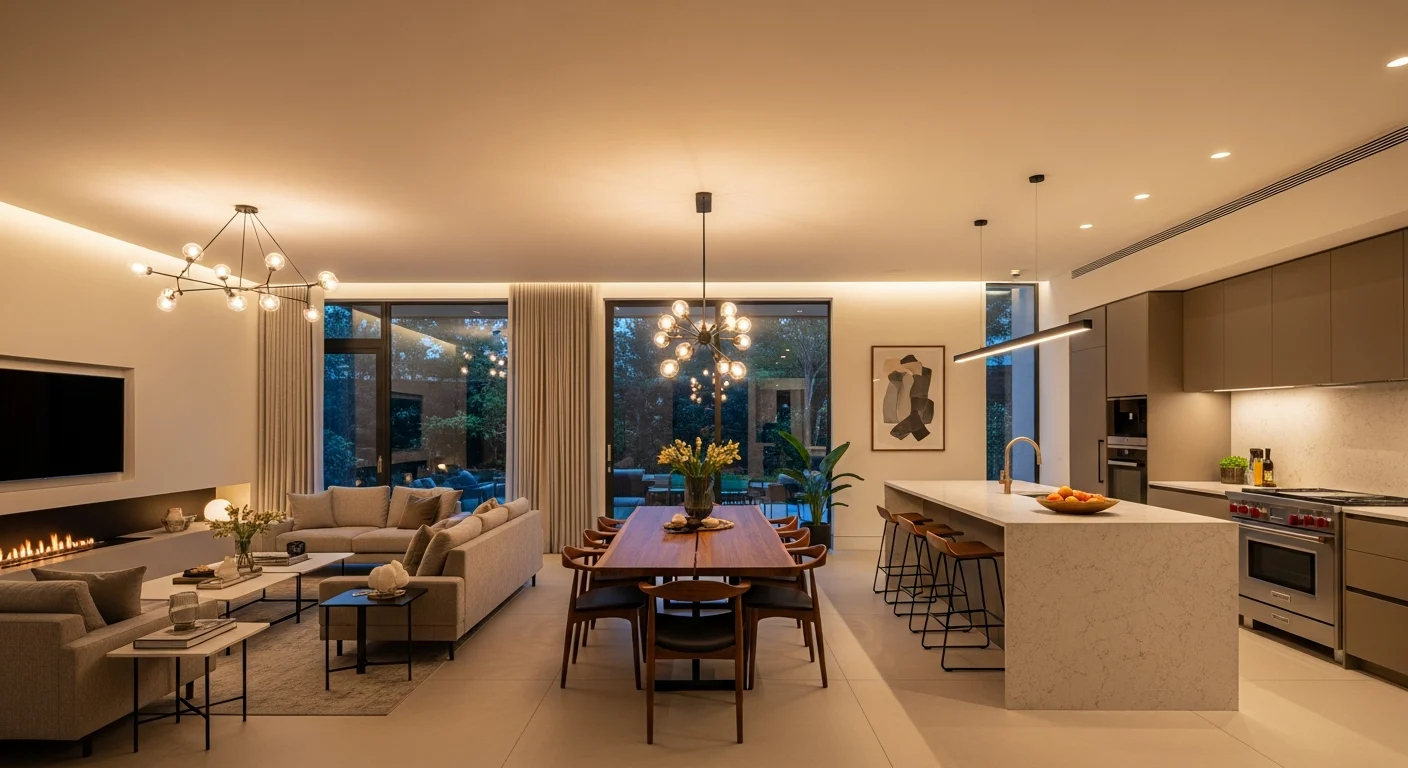
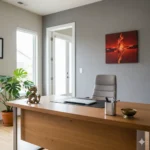
For a home office, the goal is to enhance focus, creativity, and career success. Place your desk in the commanding position, allowing you to see the door without being in its direct path. This gives you a sense of control and allows you to anticipate opportunities. Avoid facing a wall directly, as this can create a feeling of being stuck; if unavoidable, place an inspiring image or landscape print in front of you.
Keep your desktop clutter-free and organized to promote clear thinking. Choose a supportive chair that encourages good posture. Incorporate elements that support your career goals: Wood for growth, Metal for clarity, Water for wisdom. Ensure good lighting and fresh air to maintain energy and concentration throughout your workday.
The main entrance, or ‘mouth of Chi,’ is where energy enters your home. Therefore, it’s paramount to make it inviting and clear. Ensure the pathway to your front door is unobstructed and well-lit. The door itself should be in good repair, clean, and easily opened. A vibrant welcome mat can further enhance the inviting energy.
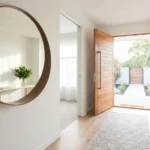
Inside the entrance, avoid placing a mirror directly opposite the door, as it can reflect incoming Chi right back out. Instead, place it on an adjacent wall to expand the space. Keep the entrance area free of clutter like shoes or coats. A healthy plant or a beautiful piece of art can help to welcome and circulate positive energy into your entire home.
Implementing effective room feng shui doesn’t have to be overwhelming. Here’s a concise list of key actions to guide your efforts:
Applying feng shui for room is more than just interior decorating; it’s a profound way to create spaces that actively support your well-being, goals, and overall life path. By understanding the flow of Chi, the balance of Yin and Yang, and the power of the Five Elements, you gain the tools to transform any environment into a haven of positive energy.
Remember, the most effective room feng shui is personal and intuitive. Start small, observe the changes, and trust your instincts about what feels right for your space. Whether you’re enhancing your bedroom for better rest or optimizing your home office for greater productivity, each conscious adjustment contributes to a more harmonious and supportive life. Begin your journey today and experience the transformative power of intentional design in every room of your home.